


By Emre Konuralp · Updated October 2026
“What is the weather like in Bali in [your month]?” I answer this question on Instagram so often that I decided to write the full answer once, properly. Here is what living through Bali’s seasons has taught me. For live weather moments from Ubud, follow @ajourney.
Before I lived in Bali, I imagined the weather in a very simple way: tropical, hot and sunny. That description is not completely wrong, but it is not enough to prepare you for the island. Bali can give you bright sunshine, heavy rain, intense humidity and a cool mountain evening on the same day—sometimes within only a few hours.
I now live in Ubud, and one of the most important things I have learned is that there is no single “Bali weather.” The coast, the centre of the island and the mountain areas can feel surprisingly different. In this guide, I will explain what the seasons are really like, which months I prefer, what rain in Bali actually means and what I would pack.
Last updated: October 2026
Bali’s seasons follow general patterns, not fixed calendars. Climate cycles can shift the beginning and intensity of the rainy and dry periods, so always check the short-term forecast close to your travel dates.
Bali weather at a glance
- Dry season: roughly April to October. Rainy season: roughly November to March.
- For the most reliable sunshine, choose May to September; my personal favourites are May, June and September.
- Humidity is often a bigger adjustment than heat—pack light, quick-drying clothes.
- Ubud and the mountains are cooler and wetter than the southern coast.
- In rainy season, plan outdoor activities for the morning and keep afternoons flexible.
The Short Answer: When Is the Best Time to Visit Bali?
If your priority is the highest chance of dry, sunny weather, I would normally choose May to September. July and August are often the driest and least humid months, but they are also among the busiest and most expensive.
My personal sweet spots are usually May, June and September. The weather is often very pleasant, the island is green, and you may avoid part of the peak-season pressure. April and October can also be excellent transition months, but they are less predictable.
If you travel between November and March, do not assume your holiday will be ruined. Rainy season does not usually mean nonstop rain every minute. You can still have beautiful mornings and long sunny periods. The difference is that downpours become more frequent, humidity rises and planning outdoor days requires more flexibility.
Bali Has Two Main Seasons
Dry Season: Generally April to October
Dry season normally brings more sunshine, lower humidity and less frequent rainfall. The clearest pattern is usually from June through September. Even then, tropical rain is still possible—especially around Ubud, the north and higher ground.
This is the easiest season for beach days, hiking, waterfalls, temples and travelling around the island. Roads are generally easier, sea conditions are often better on many coasts, and clothes dry faster. The trade-off is larger crowds and higher accommodation prices during the peak months.
Rainy Season: Generally November to March
During rainy season, Bali becomes intensely green. The air feels heavier, vegetation grows quickly and the island can look especially beautiful after a shower. Rain often arrives as a strong tropical downpour in the afternoon, evening or overnight—but there are also days with several hours of rain or unsettled weather.
The most important mistake is to build a rigid schedule. In rainy season, I keep the morning for important outdoor plans and leave room to move activities. A one-hour downpour can disappear as quickly as it arrived, while another day may stay cloudy and wet.
What Each Month Usually Feels Like
January and February
These are normally among the wettest and most humid months. Heavy showers, thunderstorms and cloudy periods are common. You can still enjoy Bali, but I would choose accommodation carefully, keep outdoor plans flexible and expect slower traffic during rain.
March
March is often still wet, although conditions may begin to improve toward the end of the month. Humidity remains high. The exact timing of Nyepi, Bali’s Day of Silence, changes each year and can affect flights, transport and hotel routines for a full day, so check the calendar before booking.
April
April is a transition month. You may get excellent sunny days with occasional showers. The landscape is still lush, and it can be a very good time to visit if you accept some unpredictability.
May and June
These are two of my favourite months. Rainfall usually decreases, humidity becomes more comfortable and the island often feels calmer than in July and August. They are especially good for combining beaches, cultural visits and inland exploration.
July and August
These months usually offer Bali’s most reliable dry-season conditions. Mornings and evenings can feel surprisingly cool in Ubud and mountain areas, particularly when riding a scooter. Beaches and popular attractions are busy, so reserve important accommodation and activities early.
September
September often keeps much of the dry-season weather while the biggest holiday crowds begin to ease. It is another month I personally like for a balanced Bali trip.
October
October is warm and transitional. Some years stay dry for much of the month; in others, humidity and afternoon rain return earlier. I would prepare for both beach weather and sudden showers.
November and December
The rainy season normally becomes more established. December can still include beautiful sunny days, but holiday crowds and wet weather may arrive together. Drainage problems, traffic delays and rougher sea conditions can affect plans in some areas.
Temperature: Bali Is Warm, but Not Everywhere in the Same Way
In the southern coastal areas—such as Kuta, Seminyak, Canggu, Sanur, Jimbaran and Uluwatu—daytime temperatures commonly feel hot throughout the year. The combination of sun and humidity often matters more than the number on the thermometer.
Ubud is inland and higher than much of the south. It can feel cooler in the morning and evening, but it is also greener and often wetter. In elevated areas such as Bedugul, Munduk or around Mount Batur, temperatures can drop enough for a light jacket to feel very useful, especially before sunrise or after rain.
If you plan a sunrise volcano hike, do not dress as if you are going to the beach. At the summit, wind and early-morning temperatures can feel cold even though the rest of your day becomes hot.
Humidity: The Part Many Travellers Underestimate
For me, humidity is a bigger adjustment than heat. During rainy season, clothes can feel damp, towels dry slowly and a short walk can leave you sweating. Air-conditioned rooms may also develop condensation, and poorly ventilated accommodation can smell musty.
If you stay for more than a few days, choose a room with good airflow, working air conditioning or a fan, and visible sunlight where possible. Do not leave wet swimwear or towels inside a closed bag. For longer stays, moisture absorbers or a small dehumidifier can make a real difference.
Rain in Bali Is Not Like Light European Rain
A tropical downpour can be extremely intense. Streets may flood temporarily, visibility can fall quickly and scooter travel becomes uncomfortable or unsafe. A thin fashion raincoat is often less useful than a proper poncho that covers you and part of your bag.
I do not recommend continuing a scooter journey simply because the destination is close. When rain becomes heavy, I stop somewhere safe and wait. The road surface becomes slippery, potholes are harder to see and other drivers may make sudden movements.

Do Not Trust a Rain Icon Too Literally
Weather apps often show rain or thunderstorms for every day of a rainy-season week. That does not necessarily mean seven completely wet days. In a tropical climate, a rain icon may represent a short but intense shower somewhere in the area.
I look at the hourly forecast, radar when available and the sky around me. I also ask local staff or drivers because conditions can differ between south Bali, Ubud and the mountains. For an important outdoor plan, I check again in the morning rather than relying on a forecast I saw three days earlier.
Bali’s Microclimates Can Change Your Day
You can leave sunny Sanur, reach cloudy Ubud and find heavy rain toward Bedugul. Mountains influence cloud and rainfall, so distance alone does not explain the weather. This is why a full-island forecast is not very useful.
As a practical rule:
- South Bali: generally hotter, drier and more coastal
- Ubud and central Bali: greener, more humid and more likely to receive showers
- Bedugul, Munduk and highlands: cooler, cloudier and often wetter
- East Bali: conditions vary sharply between the dry coast and the slopes around Mount Agung
- Nusa islands: often drier, with stronger sun and limited shade

Sun Protection Matters Even on Cloudy Days
Cloud cover can make the air feel comfortable while ultraviolet exposure remains strong. I use high-SPF sunscreen, a hat and sunglasses, and I reapply sunscreen after swimming or sweating. The midday sun can be exhausting, especially during the first days before your body adjusts.
Hydration is equally important. I carry water and add electrolytes on very active days, but I do not treat sweet sports drinks as a substitute for regular water.
What I Would Pack for Bali Weather
- Light, breathable clothes that dry quickly
- A compact umbrella
- A proper rain poncho, especially if using a scooter
- A waterproof cover or dry bag for electronics and documents
- Sandals plus shoes with grip for wet paths
- A light layer for Ubud evenings, mountain areas and strong air conditioning
- High-SPF sunscreen, sunglasses and a hat
- Insect repellent
- A reusable water bottle
- More than one swimsuit so one can dry while you use the other
I would not fill my suitcase with heavy clothing. Laundry services are easy to find, but in rainy season allow extra time for clothes to dry.
Best Season by Travel Style
For Beaches and Outdoor Exploration
Choose May to September for the most reliable conditions. If possible, I would select June or September to balance weather and crowds.
For Surfing
Different coasts work in different seasons. The dry season generally favours many breaks on the west coast, while wet-season winds can make east-coast locations more attractive. Conditions depend on swell, tide, wind and experience level, so ask a reputable local surf school.
For Waterfalls and Green Landscapes
The rainy season produces powerful waterfalls and vivid scenery, but access paths can become muddy and currents dangerous. Never enter a waterfall pool or river when local staff warn against it.
For Volcano Hiking
Dry season gives you a better chance of clear sunrise views and safer trails. Even then, weather on mountains can change quickly. Use a qualified guide and bring a warm layer.
For Lower Prices and Fewer Crowds
Rainy-season months outside Christmas and New Year can offer better value. The compromise is flexibility: choose accommodation you enjoy spending time in and do not plan every hour.
My Rainy-Season Strategy
- I schedule temples, walks, waterfalls and beach time in the morning.
- I keep cafés, spas, cooking classes and indoor experiences as flexible afternoon options.
- I carry a small umbrella and protect my phone, passport and camera from water.
- I allow extra travel time because traffic slows during heavy rain.
- I avoid rigid day trips that depend on perfect visibility.
- I check local conditions before travelling to mountains or waterfalls.
My Final Advice
There is no bad season that applies to every traveller. There is only a season that matches—or does not match—your expectations.
If you want reliable sunshine and easy outdoor days, come during the dry season and consider May, June or September. If you want intense greenery, lower prices and a slower atmosphere, rainy season can be beautiful as long as you stay flexible.
The most useful thing I can tell you is this: do not plan Bali as if the whole island shares one forecast. Check the specific area, start important outdoor activities early, respect tropical rain and always carry a simple backup plan. Once you do that, the weather becomes part of the Bali experience rather than something that controls your trip.
Important: This guide describes typical seasonal patterns and my personal experience. Weather, sea conditions and mountain conditions can change quickly. Check a reliable local forecast and follow official safety advice before outdoor activities.
Frequently Asked Questions
What is the best month to visit Bali?
For the best chance of dry, sunny weather, I would choose May to September. June and September often balance good weather with fewer crowds than July and August.
When is the rainy season in Bali?
The rainy season generally runs from November to March, with January and February usually the wettest months. Rain often comes as intense showers rather than all-day drizzle.
Is it worth visiting Bali in the rainy season?
Yes, if you are flexible. The island is greener, quieter and often cheaper. Plan outdoor activities for the morning and keep indoor options for the afternoon.
Is Ubud colder than the beach areas?
Ubud is inland and higher than the southern coast, so evenings can feel noticeably cooler and rain is more frequent. Bring a light layer for the evening.
What should I pack for Bali weather?
Light, breathable clothes, a compact umbrella or proper rain poncho, a waterproof cover for electronics, sandals plus shoes with grip, high-SPF sunscreen and a light layer for cooler evenings.
Related Bali Guides
- Bali Airport Arrival Guide
- Bali Visa & Entry Guide
- Flights to Bali
- Bali SIM Card & Internet Guide
- Bali Money & Payments Guide
- What to Pack for Bali
- Culture & Etiquette in Bali
- Safety in Bali
- Wildlife & Animals in Bali
- How to Plan Your Bali Itinerary
Follow my Bali life day by day
I share the places, people and little discoveries behind these guides on our Instagram. Say hello and follow us at @ajourney for my real experiences in Bali.
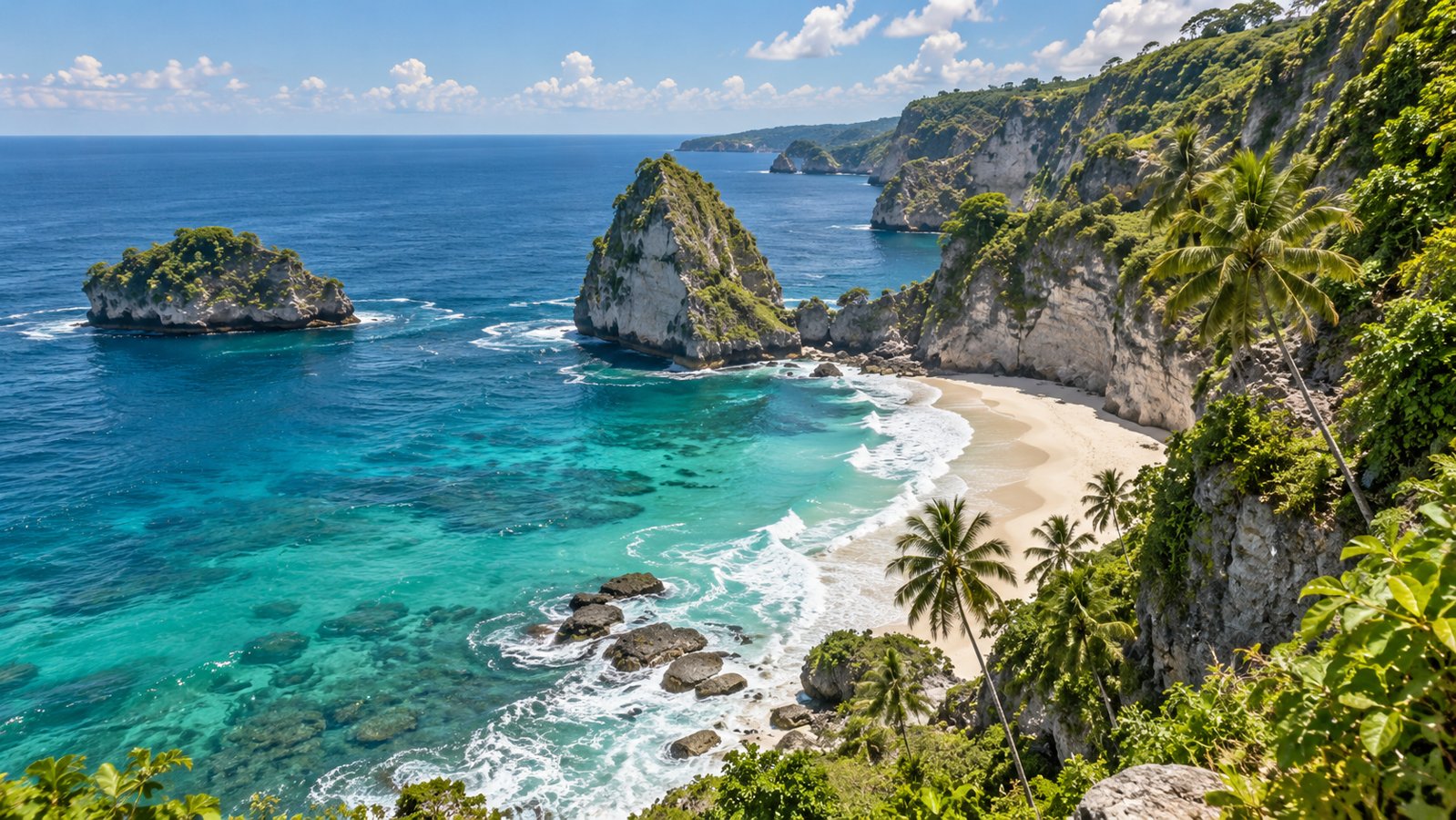
Images are AI-created editorial illustrations using Emre Konuralp’s portrait reference where shown. They illustrate the guide rather than document a specific visit.
By Emre Konuralp · Updated October 2026
“What is the weather like in Bali in [your month]?” I answer this question on Instagram so often that I decided to write the full answer once, properly. Here is what living through Bali’s seasons has taught me. For live weather moments from Ubud, follow @ajourney.
Before I lived in Bali, I imagined the weather in a very simple way: tropical, hot and sunny. That description is not completely wrong, but it is not enough to prepare you for the island. Bali can give you bright sunshine, heavy rain, intense humidity and a cool mountain evening on the same day—sometimes within only a few hours.
I now live in Ubud, and one of the most important things I have learned is that there is no single “Bali weather.” The coast, the centre of the island and the mountain areas can feel surprisingly different. In this guide, I will explain what the seasons are really like, which months I prefer, what rain in Bali actually means and what I would pack.
Last updated: October 2026
Bali’s seasons follow general patterns, not fixed calendars. Climate cycles can shift the beginning and intensity of the rainy and dry periods, so always check the short-term forecast close to your travel dates.
Bali weather at a glance
- Dry season: roughly April to October. Rainy season: roughly November to March.
- For the most reliable sunshine, choose May to September; my personal favourites are May, June and September.
- Humidity is often a bigger adjustment than heat—pack light, quick-drying clothes.
- Ubud and the mountains are cooler and wetter than the southern coast.
- In rainy season, plan outdoor activities for the morning and keep afternoons flexible.
The Short Answer: When Is the Best Time to Visit Bali?
If your priority is the highest chance of dry, sunny weather, I would normally choose May to September. July and August are often the driest and least humid months, but they are also among the busiest and most expensive.
My personal sweet spots are usually May, June and September. The weather is often very pleasant, the island is green, and you may avoid part of the peak-season pressure. April and October can also be excellent transition months, but they are less predictable.
If you travel between November and March, do not assume your holiday will be ruined. Rainy season does not usually mean nonstop rain every minute. You can still have beautiful mornings and long sunny periods. The difference is that downpours become more frequent, humidity rises and planning outdoor days requires more flexibility.
Bali Has Two Main Seasons
Dry Season: Generally April to October
Dry season normally brings more sunshine, lower humidity and less frequent rainfall. The clearest pattern is usually from June through September. Even then, tropical rain is still possible—especially around Ubud, the north and higher ground.
This is the easiest season for beach days, hiking, waterfalls, temples and travelling around the island. Roads are generally easier, sea conditions are often better on many coasts, and clothes dry faster. The trade-off is larger crowds and higher accommodation prices during the peak months.
Rainy Season: Generally November to March
During rainy season, Bali becomes intensely green. The air feels heavier, vegetation grows quickly and the island can look especially beautiful after a shower. Rain often arrives as a strong tropical downpour in the afternoon, evening or overnight—but there are also days with several hours of rain or unsettled weather.
The most important mistake is to build a rigid schedule. In rainy season, I keep the morning for important outdoor plans and leave room to move activities. A one-hour downpour can disappear as quickly as it arrived, while another day may stay cloudy and wet.
What Each Month Usually Feels Like
January and February
These are normally among the wettest and most humid months. Heavy showers, thunderstorms and cloudy periods are common. You can still enjoy Bali, but I would choose accommodation carefully, keep outdoor plans flexible and expect slower traffic during rain.
March
March is often still wet, although conditions may begin to improve toward the end of the month. Humidity remains high. The exact timing of Nyepi, Bali’s Day of Silence, changes each year and can affect flights, transport and hotel routines for a full day, so check the calendar before booking.
April
April is a transition month. You may get excellent sunny days with occasional showers. The landscape is still lush, and it can be a very good time to visit if you accept some unpredictability.
May and June
These are two of my favourite months. Rainfall usually decreases, humidity becomes more comfortable and the island often feels calmer than in July and August. They are especially good for combining beaches, cultural visits and inland exploration.
July and August
These months usually offer Bali’s most reliable dry-season conditions. Mornings and evenings can feel surprisingly cool in Ubud and mountain areas, particularly when riding a scooter. Beaches and popular attractions are busy, so reserve important accommodation and activities early.
September
September often keeps much of the dry-season weather while the biggest holiday crowds begin to ease. It is another month I personally like for a balanced Bali trip.
October
October is warm and transitional. Some years stay dry for much of the month; in others, humidity and afternoon rain return earlier. I would prepare for both beach weather and sudden showers.
November and December
The rainy season normally becomes more established. December can still include beautiful sunny days, but holiday crowds and wet weather may arrive together. Drainage problems, traffic delays and rougher sea conditions can affect plans in some areas.
Temperature: Bali Is Warm, but Not Everywhere in the Same Way
In the southern coastal areas—such as Kuta, Seminyak, Canggu, Sanur, Jimbaran and Uluwatu—daytime temperatures commonly feel hot throughout the year. The combination of sun and humidity often matters more than the number on the thermometer.
Ubud is inland and higher than much of the south. It can feel cooler in the morning and evening, but it is also greener and often wetter. In elevated areas such as Bedugul, Munduk or around Mount Batur, temperatures can drop enough for a light jacket to feel very useful, especially before sunrise or after rain.
If you plan a sunrise volcano hike, do not dress as if you are going to the beach. At the summit, wind and early-morning temperatures can feel cold even though the rest of your day becomes hot.
Humidity: The Part Many Travellers Underestimate
For me, humidity is a bigger adjustment than heat. During rainy season, clothes can feel damp, towels dry slowly and a short walk can leave you sweating. Air-conditioned rooms may also develop condensation, and poorly ventilated accommodation can smell musty.
If you stay for more than a few days, choose a room with good airflow, working air conditioning or a fan, and visible sunlight where possible. Do not leave wet swimwear or towels inside a closed bag. For longer stays, moisture absorbers or a small dehumidifier can make a real difference.
Rain in Bali Is Not Like Light European Rain
A tropical downpour can be extremely intense. Streets may flood temporarily, visibility can fall quickly and scooter travel becomes uncomfortable or unsafe. A thin fashion raincoat is often less useful than a proper poncho that covers you and part of your bag.
I do not recommend continuing a scooter journey simply because the destination is close. When rain becomes heavy, I stop somewhere safe and wait. The road surface becomes slippery, potholes are harder to see and other drivers may make sudden movements.
Do Not Trust a Rain Icon Too Literally
Weather apps often show rain or thunderstorms for every day of a rainy-season week. That does not necessarily mean seven completely wet days. In a tropical climate, a rain icon may represent a short but intense shower somewhere in the area.
I look at the hourly forecast, radar when available and the sky around me. I also ask local staff or drivers because conditions can differ between south Bali, Ubud and the mountains. For an important outdoor plan, I check again in the morning rather than relying on a forecast I saw three days earlier.
Bali’s Microclimates Can Change Your Day
You can leave sunny Sanur, reach cloudy Ubud and find heavy rain toward Bedugul. Mountains influence cloud and rainfall, so distance alone does not explain the weather. This is why a full-island forecast is not very useful.
As a practical rule:
- South Bali: generally hotter, drier and more coastal
- Ubud and central Bali: greener, more humid and more likely to receive showers
- Bedugul, Munduk and highlands: cooler, cloudier and often wetter
- East Bali: conditions vary sharply between the dry coast and the slopes around Mount Agung
- Nusa islands: often drier, with stronger sun and limited shade
Sun Protection Matters Even on Cloudy Days
Cloud cover can make the air feel comfortable while ultraviolet exposure remains strong. I use high-SPF sunscreen, a hat and sunglasses, and I reapply sunscreen after swimming or sweating. The midday sun can be exhausting, especially during the first days before your body adjusts.
Hydration is equally important. I carry water and add electrolytes on very active days, but I do not treat sweet sports drinks as a substitute for regular water.
What I Would Pack for Bali Weather
- Light, breathable clothes that dry quickly
- A compact umbrella
- A proper rain poncho, especially if using a scooter
- A waterproof cover or dry bag for electronics and documents
- Sandals plus shoes with grip for wet paths
- A light layer for Ubud evenings, mountain areas and strong air conditioning
- High-SPF sunscreen, sunglasses and a hat
- Insect repellent
- A reusable water bottle
- More than one swimsuit so one can dry while you use the other
I would not fill my suitcase with heavy clothing. Laundry services are easy to find, but in rainy season allow extra time for clothes to dry.
Best Season by Travel Style
For Beaches and Outdoor Exploration
Choose May to September for the most reliable conditions. If possible, I would select June or September to balance weather and crowds.
For Surfing
Different coasts work in different seasons. The dry season generally favours many breaks on the west coast, while wet-season winds can make east-coast locations more attractive. Conditions depend on swell, tide, wind and experience level, so ask a reputable local surf school.
For Waterfalls and Green Landscapes
The rainy season produces powerful waterfalls and vivid scenery, but access paths can become muddy and currents dangerous. Never enter a waterfall pool or river when local staff warn against it.
For Volcano Hiking
Dry season gives you a better chance of clear sunrise views and safer trails. Even then, weather on mountains can change quickly. Use a qualified guide and bring a warm layer.
For Lower Prices and Fewer Crowds
Rainy-season months outside Christmas and New Year can offer better value. The compromise is flexibility: choose accommodation you enjoy spending time in and do not plan every hour.
My Rainy-Season Strategy
- I schedule temples, walks, waterfalls and beach time in the morning.
- I keep cafés, spas, cooking classes and indoor experiences as flexible afternoon options.
- I carry a small umbrella and protect my phone, passport and camera from water.
- I allow extra travel time because traffic slows during heavy rain.
- I avoid rigid day trips that depend on perfect visibility.
- I check local conditions before travelling to mountains or waterfalls.
My Final Advice
There is no bad season that applies to every traveller. There is only a season that matches—or does not match—your expectations.
If you want reliable sunshine and easy outdoor days, come during the dry season and consider May, June or September. If you want intense greenery, lower prices and a slower atmosphere, rainy season can be beautiful as long as you stay flexible.
The most useful thing I can tell you is this: do not plan Bali as if the whole island shares one forecast. Check the specific area, start important outdoor activities early, respect tropical rain and always carry a simple backup plan. Once you do that, the weather becomes part of the Bali experience rather than something that controls your trip.
Important: This guide describes typical seasonal patterns and my personal experience. Weather, sea conditions and mountain conditions can change quickly. Check a reliable local forecast and follow official safety advice before outdoor activities.
Frequently Asked Questions
What is the best month to visit Bali?
For the best chance of dry, sunny weather, I would choose May to September. June and September often balance good weather with fewer crowds than July and August.
When is the rainy season in Bali?
The rainy season generally runs from November to March, with January and February usually the wettest months. Rain often comes as intense showers rather than all-day drizzle.
Is it worth visiting Bali in the rainy season?
Yes, if you are flexible. The island is greener, quieter and often cheaper. Plan outdoor activities for the morning and keep indoor options for the afternoon.
Is Ubud colder than the beach areas?
Ubud is inland and higher than the southern coast, so evenings can feel noticeably cooler and rain is more frequent. Bring a light layer for the evening.
What should I pack for Bali weather?
Light, breathable clothes, a compact umbrella or proper rain poncho, a waterproof cover for electronics, sandals plus shoes with grip, high-SPF sunscreen and a light layer for cooler evenings.
Related Bali Guides
- Bali Airport Arrival Guide
- Bali Visa & Entry Guide
- Flights to Bali
- Bali SIM Card & Internet Guide
- Bali Money & Payments Guide
- What to Pack for Bali
- Culture & Etiquette in Bali
- Safety in Bali
- Wildlife & Animals in Bali
- How to Plan Your Bali Itinerary
Follow my Bali life day by day
I share the places, people and little discoveries behind these guides on our Instagram. Say hello and follow us at @ajourney for my real experiences in Bali.
Images are AI-created editorial illustrations using Emre Konuralp’s portrait reference where shown. They illustrate the guide rather than document a specific visit.